


Research. Outcomes. Predictive Recovery Infrastructure.
POP Recovery Systems is committed to advancing surgical recovery through structured, data-driven care models
Our white papers outline the clinical rationale, operational frameworks, and system-level outcomes behind Recovery-as-a-System.
These resources are designed for:
Health System Executives
Risk management teams
Private equity-backed MSOs
Bariatric program directors
Surgical leaders
Population health strategists
Explore the research shaping the future of recovery.

Why Recovery Infrastructure Matters
Surgical success is not defined by the procedure alone.
Long-term outcomes depend on:
• Behavioral adherence
• Nutritional reinforcement
• Emotional stability
• Risk monitoring
• Structured follow-through
Traditional programs discharge patients into fragmentation.
Recovery-as-a-System creates continuity.
The following white papers detail how.
Available Publications
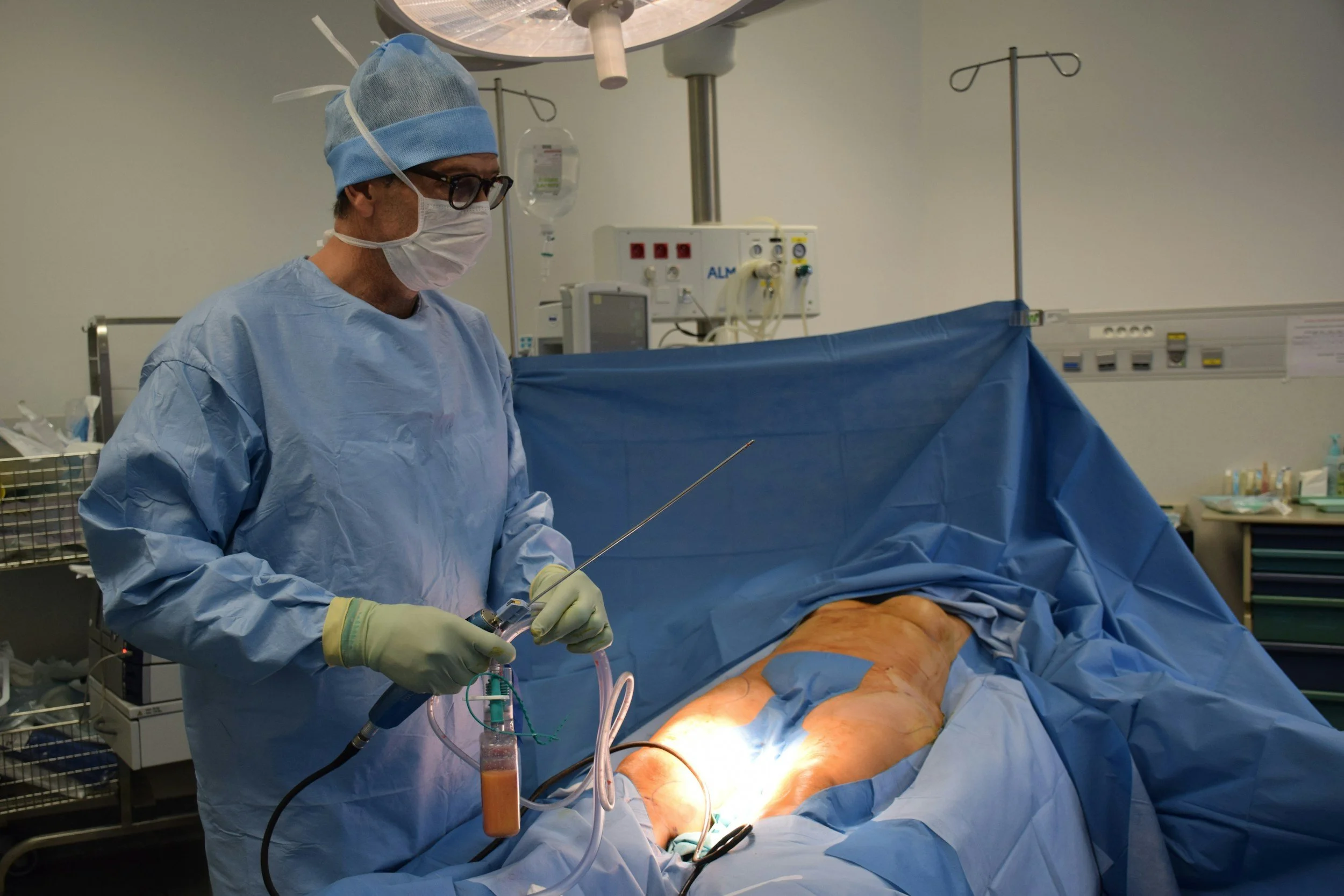
ASCs
-
How ASCs That Treat Recovery as a System Reduce Cancellations, Improve Patient Outcomes, and Unlock Millions in Captured Revenue
This white paper explores how ambulatory surgery centers can increase performance by treating recovery as a structured, end-to-end system—not just a post-operative task. By standardizing pre-operative readiness, strengthening post-discharge support, and using predictive risk identification, ASCs can reduce last-minute cancellations, improve patient outcomes, and stabilize daily case flow. The result is higher OR utilization, fewer avoidable complications, improved patient satisfaction, and significant recovery of lost revenue across high-volume outpatient surgical environments.
POP identifies psychosocial and behavioral risk factors, not just clinical readiness, before surgery. By standardizing patient preparation, adherence tracking, and post-discharge support, POP helps ASCs reduce last-minute cancellations, improve day-of-surgery readiness, and contain avoidable post-op issues. The result is smoother case flow, fewer disruptions, stronger patient outcomes, and more consistent, protected facility revenue.

Bariatrics
-
Protecting Outcomes, Reducing Behavioral, Risk, and Stabilizing Long-Term, Performance in Bariatric Surgery Programs
An evidence-informed framework outlining how structured recovery infrastructure reduces behavioral risk, protects surgical outcomes, and stabilizes long-term performance in bariatric programs. This paper explores predictive engagement models that improve adherence, reduce regression, and strengthen outcome durability beyond the initial post-operative phase.

Orthopedics
-
Improving Orthopedic Recovery Predictability Through Behavioral, Nutritional, and Wound Pattern Intelligence
This white paper explores how integrating behavioral monitoring, nutritional optimization, and wound pattern intelligence can improve recovery predictability in orthopedic care. By identifying risk signals early and reinforcing structured post-operative engagement, providers can reduce complications, enhance healing consistency, and stabilize long-term functional outcomes.

NeuroSurgery & Spine
-
A Precision Recovery Infrastructure for Private Neurosurgery & Spine Practices
This white paper presents a precision recovery framework designed specifically for private neurosurgery and spine practices. By integrating behavioral risk monitoring, structured post-operative engagement, and predictive complication tracking, practices can enhance outcome stability, improve patient adherence, and protect long-term surgical performance.

Risk Management
-
Risk Management for Surgical Practices: A Recovery-as-a-System Approach to Medical Malpractice Premium Reduction
This white paper outlines how a structured Recovery-as-a-System model strengthens post-operative oversight, reduces behavioral risk variability, and enhances documentation continuity, key drivers in mitigating adverse events and malpractice exposure. By standardizing recovery engagement and early risk identification, surgical practices can improve loss profiles and create a defensible case for medical malpractice premium reduction.

Dental
-
Increasing Case Conversion, Protecting Implant Success Rates, and Expanding EBITDA in Dental Implant Platforms
This white paper outlines how structured recovery infrastructure can increase implant case conversion, reinforce patient adherence, and protect long-term implant success rates. By integrating behavioral engagement, surgical follow-through, and predictive complication monitoring, dental implant platforms can reduce failure variability, improve lifetime patient value, and expand EBITDA across multi-location operations.

For Health Systems & Surgical Leaders
Recovery infrastructure is becoming a competitive advantage.
If you are exploring:
• Reducing long-term complication risk
• Increasing patient retention
• Improving outcome stability
• Aligning with value-based care models
• Expanding bariatric or surgical service lines
We welcome strategic dialogue.